AI-powered ransomware is a new generation of extortion malware that uses artificial intelligence to automate reconnaissance, evade detection, and accelerate the encryption of enterprise data. Instead of relying on a human operator to move manually through a network, these campaigns use machine learning to map targets, craft convincing phishing lures, identify the most valuable files, and decide when to strike — all at machine speed.
The shift matters because it changes the economics of cybercrime. In the 2026 Verizon Data Breach Investigations Report, ransomware appeared in 48% of all breaches, up from 44% a year earlier. Threat actors claimed 2,279 victims in the second quarter of 2026 alone — a 43% year-over-year increase. AI is the force multiplier behind that surge: it compresses the time between initial compromise and encryption, shrinking the window defenders have to detect and respond.
For enterprises, AI-powered ransomware is no longer a theoretical risk discussed at security conferences. It is a board-level business continuity issue. A single successful attack can halt production lines, freeze customer transactions, and expose sensitive data to double or triple extortion. Understanding how these campaigns work — and building managed cybersecurity capable of matching their speed — is now a baseline requirement for any organization that depends on digital operations.
Why do enterprises need to rethink ransomware defense in 2026? Because the target has moved. Attackers have learned that mid-sized organizations — those with annual revenue between $10 million and $1 billion — often hold the same valuable data and run the same critical operations as large enterprises, but with a fraction of the security budget. Mid-market firms now account for roughly 73% of disclosed ransomware incidents between 2023 and 2026.
Manufacturing has become the single most-targeted sector. Production environments run lean, depend on legacy operational technology, and cannot tolerate downtime — a stopped assembly line often costs more per hour than the ransom itself, which is exactly why attackers apply pressure there. Professional services and construction follow close behind.
The deeper challenge is speed. AI has collapsed attacker dwell time — the period between breaking in and detonating the payload — from days to hours. Legacy defenses built around signature detection and manual triage simply cannot keep pace. When an AI-driven campaign can move from a single phishing click to full domain encryption before a human analyst even opens the first alert, prevention alone is not enough. Enterprises need continuous monitoring, rapid detection, and the ability to contain a threat automatically. That combination is difficult to build in-house, which is why many organizations turn to a specialized partner for managed detection and response.

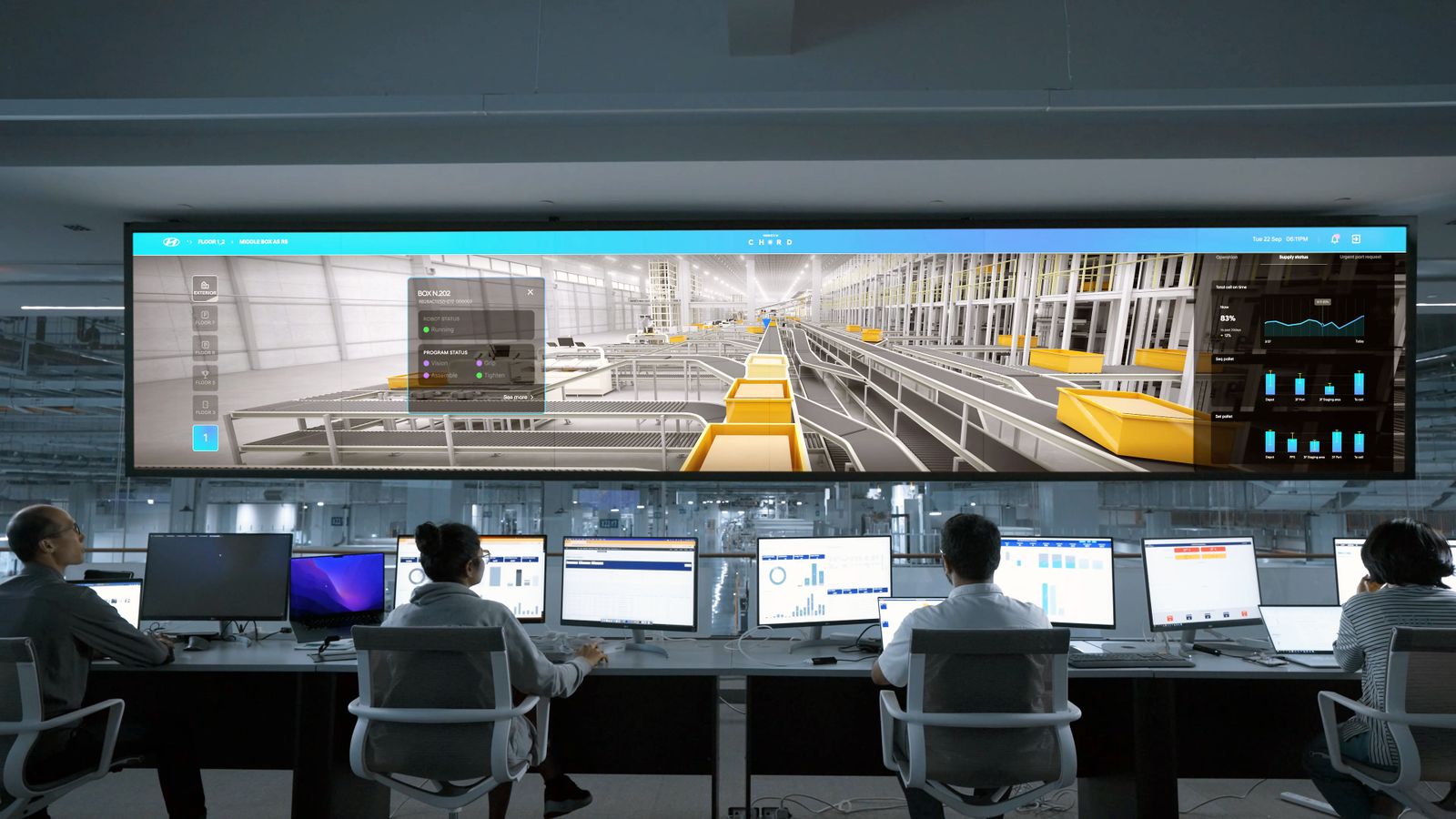
How does AI-driven ransomware defense work? It layers automation across the entire incident lifecycle so that detection and containment happen at the same speed as the attack.
First, continuous monitoring. A modern Security Operations Center (SOC) ingests telemetry from endpoints, servers, identities, and network traffic around the clock. AI models establish a baseline of normal behavior and flag deviations — an unusual login, mass file access, or a process attempting to disable backups.
Second, AI-assisted triage. Rather than drowning analysts in thousands of alerts, machine learning prioritizes the handful that represent real threats and enriches each with context, so responders can act in minutes rather than hours. Leading MDR services now advertise alert-to-triage times measured in single-digit minutes.
Third, automated containment. When a high-confidence ransomware indicator appears, the system can isolate the affected host, revoke compromised credentials, and block lateral movement automatically — stopping encryption before it spreads.
Fourth, network segmentation. Dividing the network into controlled zones limits how far an attacker can travel. Combining SD-WAN and SASE connectivity with zero-trust access ensures that a compromise in one location cannot cascade across the entire organization.
Finally, immutable recovery. Even the best prevention can fail, so resilient enterprises maintain immutable, air-gapped backups that ransomware cannot alter or delete — guaranteeing a clean restore point without ever paying a ransom.

Investing in AI-driven ransomware defense delivers benefits that reach well beyond the security team. The most immediate is reduced downtime. Because AI containment stops an attack in minutes, organizations avoid the days- or weeks-long production outages that make ransomware so costly. For a manufacturer, that can be the difference between a minor incident and a shuttered plant, where production-line stoppages routinely run into six or seven figures per day and quickly dwarf the ransom demand itself.
The second benefit is financial protection. Avoiding a single successful attack saves not only the ransom demand but also recovery costs, regulatory fines, and reputational damage. Enterprises with mature detection and response also qualify for better cyber-insurance terms, as insurers increasingly require 24/7 monitoring and immutable backups as conditions of coverage.
Third is compliance and trust. Regulations across Latin America, the United States, and Europe now expect demonstrable controls over how organizations detect, respond to, and recover from incidents. A documented, AI-supported response capability helps satisfy auditors and reassures customers that their data is protected.
Finally, there is operational focus. When monitoring and response are handled by a specialized partner, internal IT teams are freed from alert fatigue and can concentrate on projects that grow the business. The result is a security posture that is both stronger and more sustainable — one that treats resilience as a continuous capability rather than a one-time purchase.

HIT Communications helps enterprises across Latin America, the United States, and Europe build resilience against AI-powered ransomware. With more than 30 years of experience in enterprise connectivity and IT, HIT combines the network, security, and recovery layers that modern defense requires under a single, accountable partner.
Our managed cybersecurity services provide 24/7 SOC monitoring, SIEM correlation, and managed detection and response (MDR) designed to identify and contain threats at machine speed. We pair this with SD-WAN and SASE connectivity that segments your network and enforces zero-trust access, so a single compromise cannot spread across sites. And through our IT managed services and cloud backup, we ensure your data is protected by immutable, regularly tested recovery points.
Because these capabilities are delivered together, there are no gaps between your network, your security, and your recovery strategy — the seams attackers usually exploit. Whether you operate a single facility or a multi-country footprint, HIT tailors its defense to your environment and manages it as an ongoing service, not a one-off project. Our regional presence also means local support in your language and time zone, with engineers who understand the compliance realities of doing business across the Americas and Europe.
AI-powered ransomware has raised the stakes for every enterprise that depends on digital operations. Attacks are faster, more automated, and increasingly aimed at mid-market organizations that assumed they were too small to be targeted. Prevention alone can no longer keep pace; resilience now depends on continuous monitoring, AI-driven detection, automated containment, network segmentation, and immutable recovery working together.
The good news is that the same technology fueling these attacks also powers the defense. Enterprises that adopt AI-driven security operations can detect and neutralize ransomware before it encrypts a single critical system — turning a potential catastrophe into a contained, recoverable event.
The next step is a conversation about your specific risk profile. Contact HIT Communications to assess your current defenses and design a ransomware resilience strategy built for the threats of 2026 and beyond.

Find out how we can transform your business. Talk to one of our experts now!
Get in touch